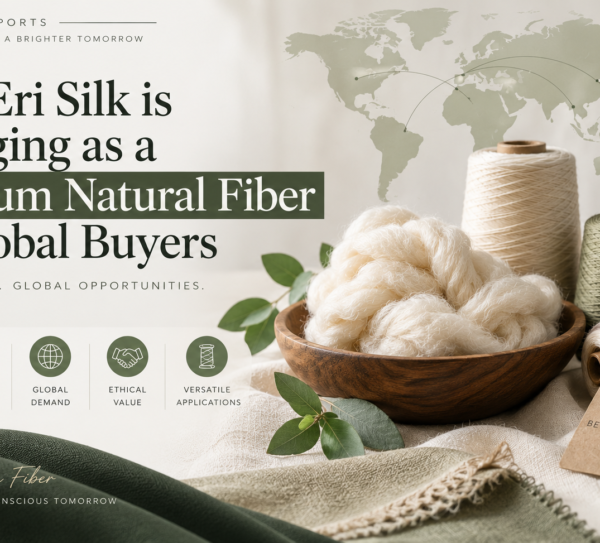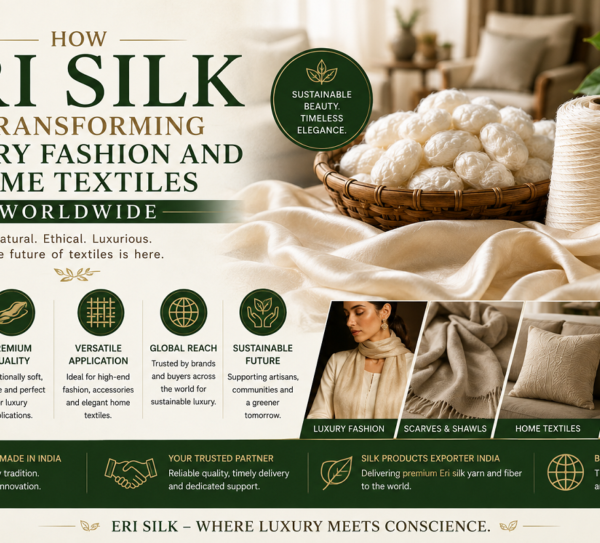


India has established itself as a global leader in silk production, known for its diverse varieties, skilled craftsmanship, and strong textile heritage. In recent years, the focus of the silk industry has shifted toward sustainability, ethical sourcing, and environmentally responsible manufacturing. A Silk Products Exporter India plays a critical role in delivering high-quality silk materials while aligning with global sustainability standards.
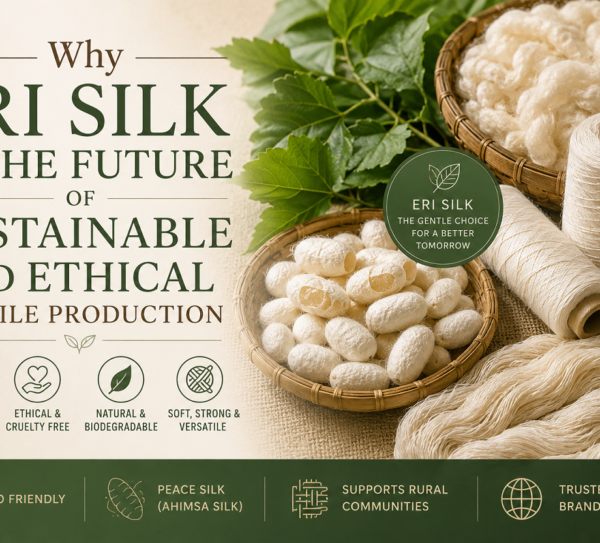
Among all silk varieties, Eri silk stands out as one of the most eco-conscious and ethically produced fibers. Recognized as a sustainable silk fiber, Eri silk is gaining increasing importance in international markets where consumers and brands are prioritizing environmentally friendly and cruelty-free textiles.
Understanding Eri Silk as a Natural Protein Fiber
Eri silk is a unique type of silk that differs significantly from traditional mulberry silk. It is classified as a natural protein fiber, known for its soft texture, breathability, and thermal properties. Unlike conventional silk, which has a glossy finish, Eri silk has a matte appearance and a slightly wool-like feel, making it ideal for both fashion and functional textiles.
The fiber is highly durable and comfortable, making it suitable for year-round use. Its ability to regulate temperature allows it to provide warmth in colder climates while remaining breathable in warmer conditions.
Silkworm Rearing: The Foundation of Ethical Silk Production
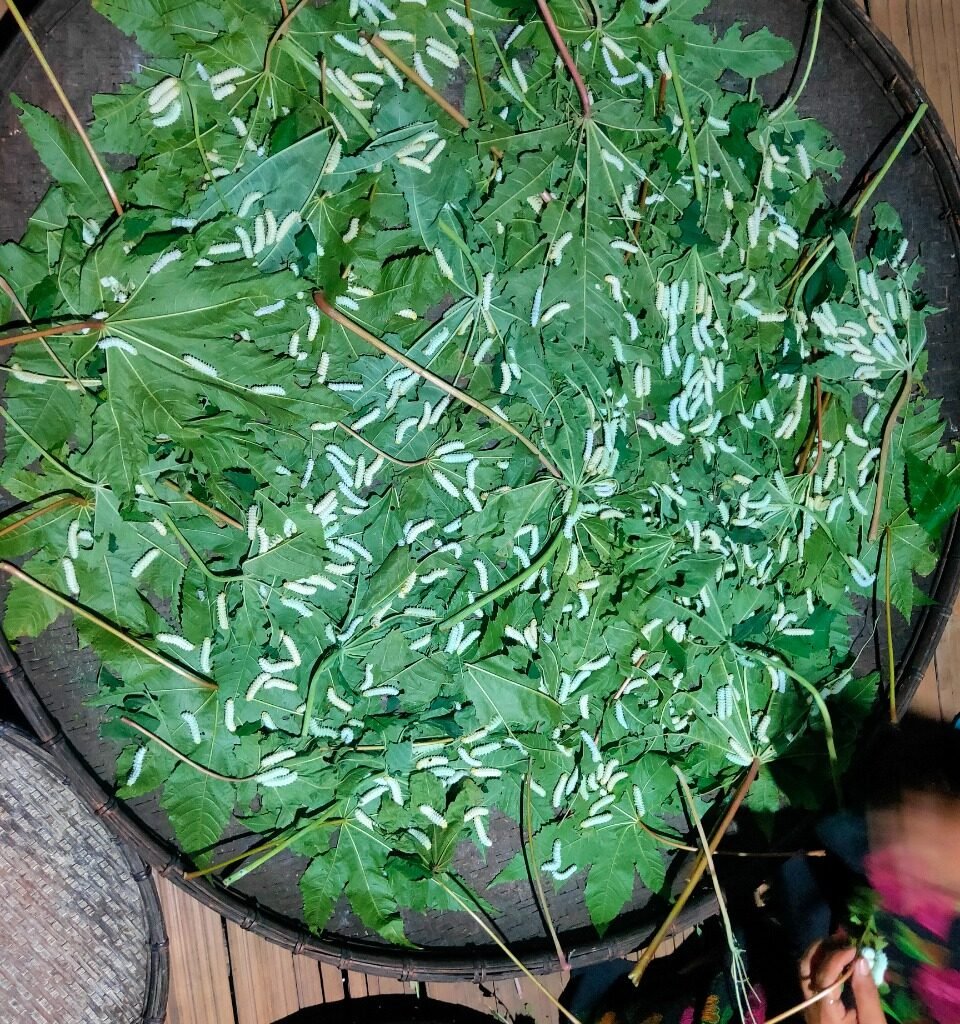
The journey of Eri silk begins with silkworm rearing, a process deeply rooted in traditional sericulture practices. Eri silkworms are primarily fed on castor leaves, which are easy to grow and require minimal chemical intervention. This makes the entire process environmentally sustainable from the very beginning.
This stage represents the natural and eco-friendly foundation of Eri silk production, where silkworms thrive in a low-impact agricultural environment.
Unlike other silk varieties, Eri silkworms are not harmed during production, which is why this silk is widely recognized as an ethical alternative in the global textile industry.
Cocoon Formation: The Origin of Peace Silk
After feeding and growth, the silkworm spins a cocoon around itself. In Eri silk production, the cocoon is open-ended, allowing the moth to emerge naturally. This key difference makes Eri silk widely known as ethical silk yarn and a preferred choice for conscious consumers.
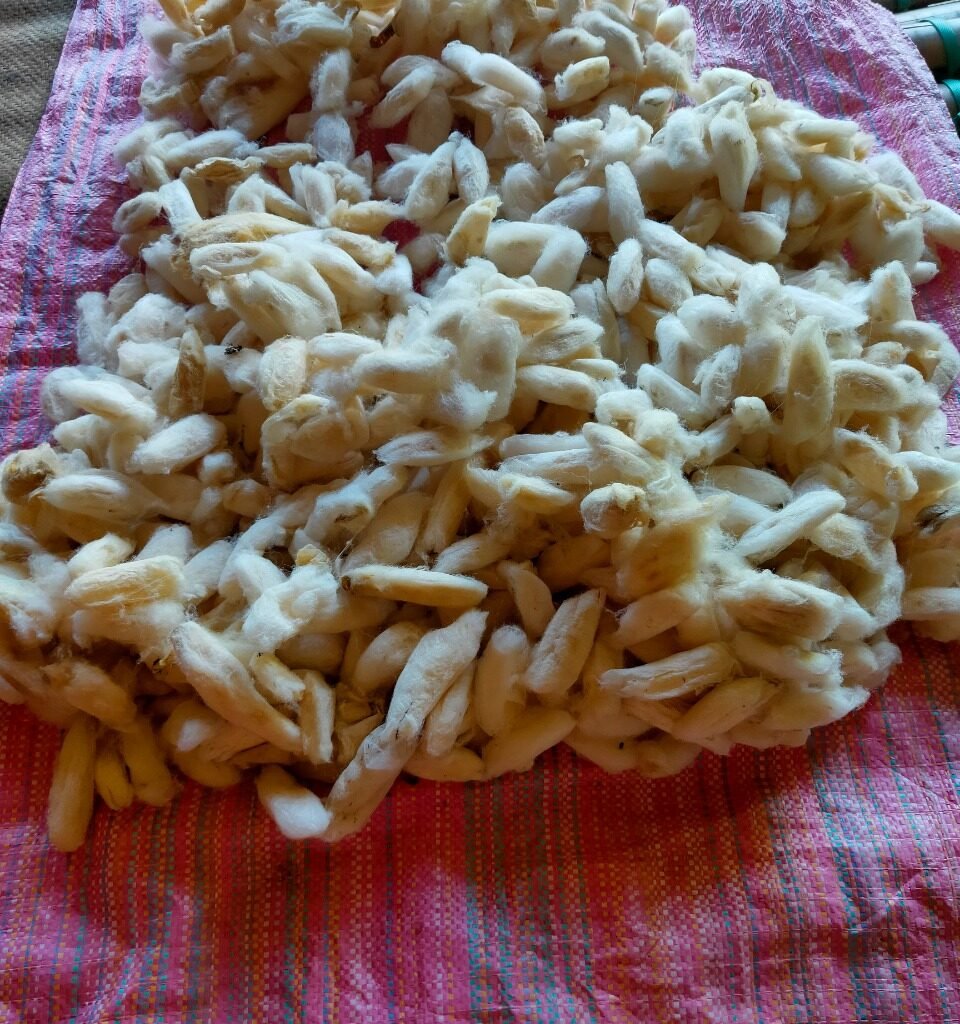
The naturally open cocoons highlight the cruelty-free aspect of Eri silk, making it a strong representation of sustainable and humane textile production.
Because of this process, Eri silk is also associated with vegan silk fiber, as it aligns with ethical and non-violent production principles.
Degumming and Cleaning: Preparing the Fiber
Once the cocoons are collected, they undergo degumming and washing. This process removes sericin, a natural gum present in silk, and softens the fiber for further processing.
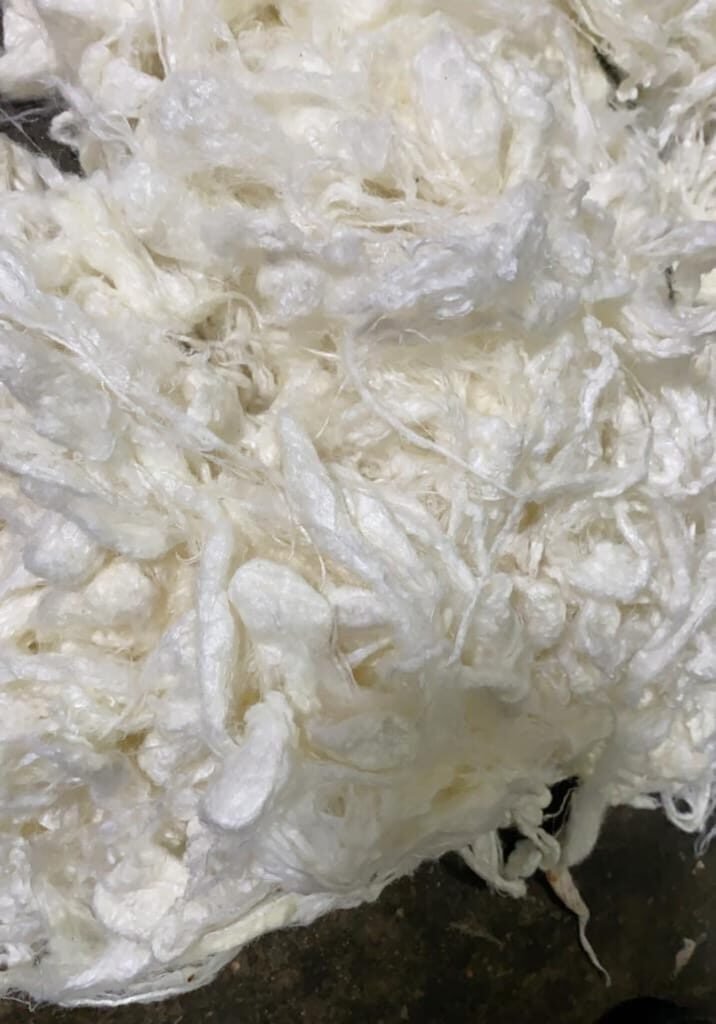
This stage shows the transition from raw cocoons to clean, workable fiber, which is essential for high-quality yarn production.
Proper cleaning ensures that the fiber retains its natural softness and becomes suitable for spinning and textile use.
Sheet Formation: Traditional Fiber Preparation
After cleaning, the cocoons are spread and processed into sheets. This is a traditional step that helps in organizing the fibers before extraction.
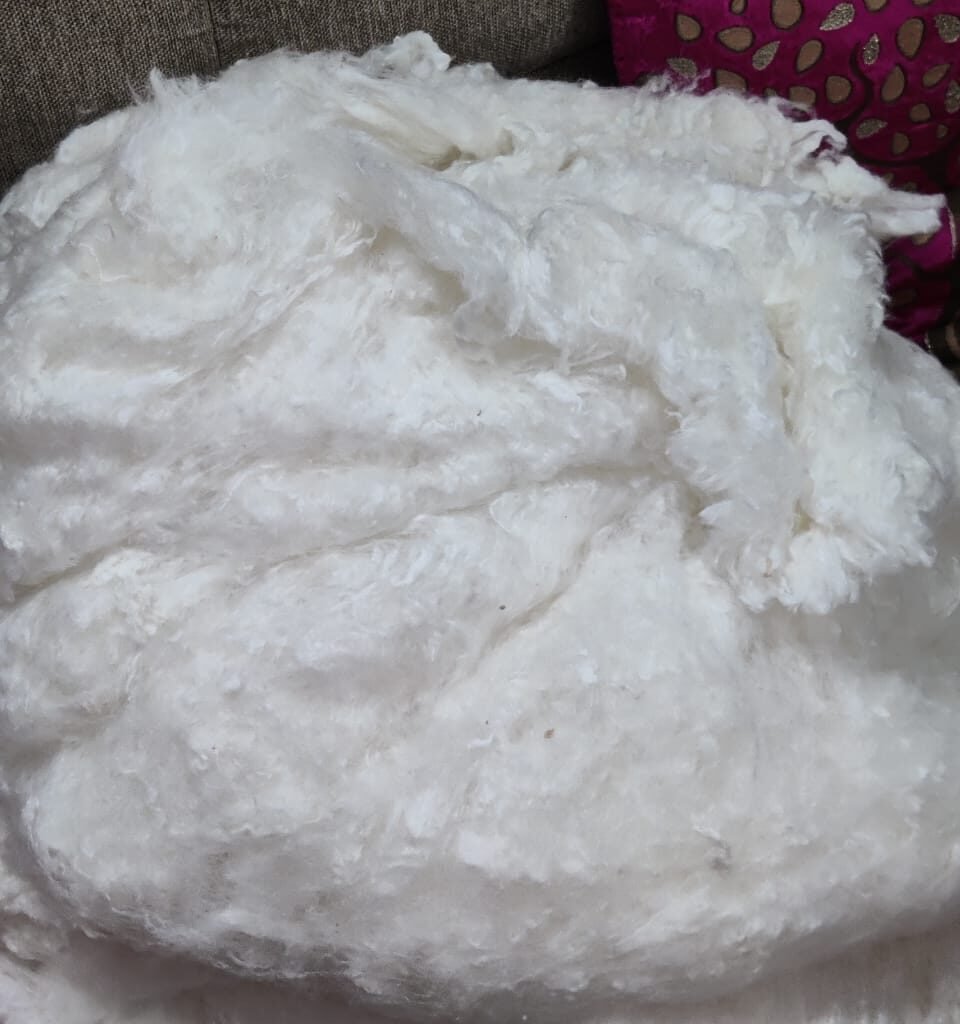
These sheets act as an intermediate stage between cocoon and fiber, showcasing the handcrafted nature of Eri silk processing.
This step also reflects the involvement of skilled artisans who play a crucial role in maintaining the quality of the fiber.
Fiber Extraction: Creating Eco-Friendly Silk Fiber
The next stage involves separating the fibers and preparing them into usable form. At this stage, the material is converted into soft fiber masses, often referred to as tops.
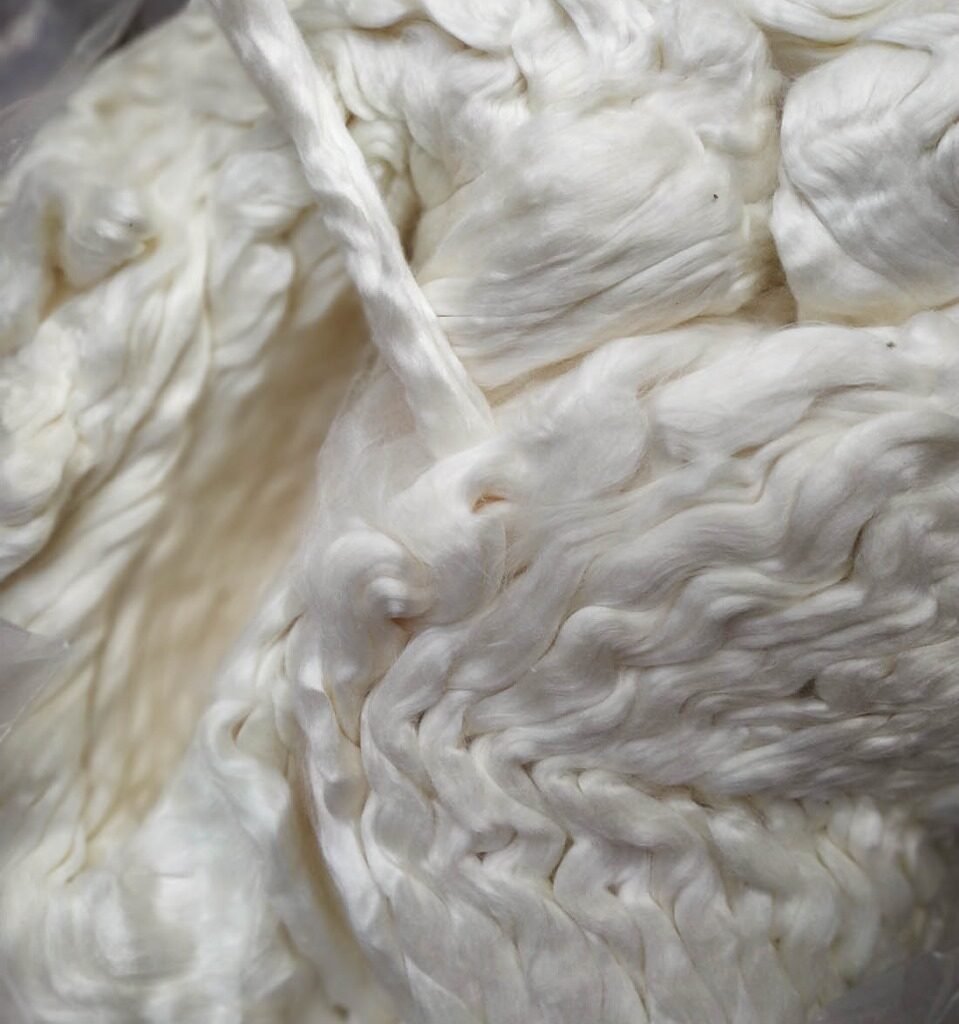
This stage represents the transformation into eco friendly silk fiber, which is soft, breathable, and ready for spinning.
These fibers are also known as natural eri silk tops, widely used by textile manufacturers for producing high-quality yarn.
Spinning Process: From Fiber to Yarn
The extracted fibers are then spun into yarn using traditional or modern spinning techniques. The final product is soft, durable, and highly versatile.
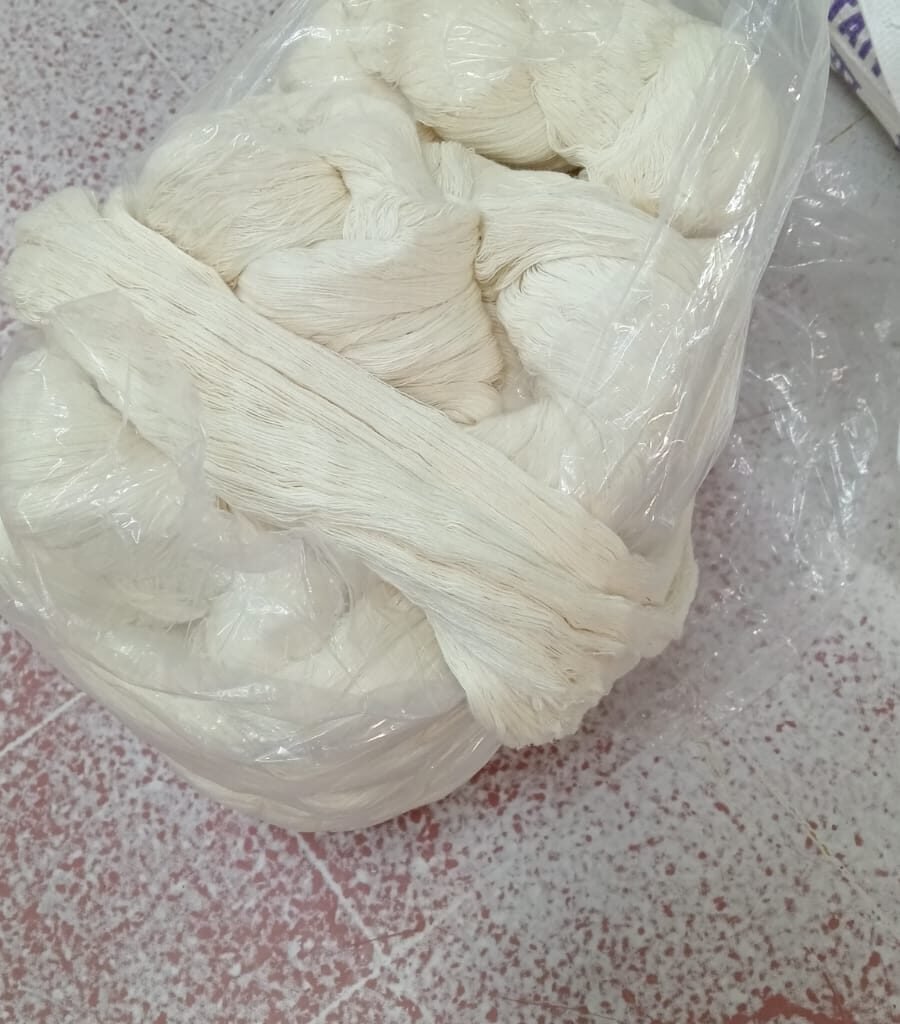
The spun yarn stage represents the final transformation of Eri silk into a usable textile material.
The resulting yarn is known for its comfort, strength, and natural appeal, making it suitable for various applications in fashion and home textiles.
Why Eri Silk is Considered a Sustainable Silk Fiber
Eri silk has gained global recognition as a sustainable silk fiber due to its environmentally friendly production process. Several factors contribute to its sustainability:
- Minimal chemical usage in farming
- Renewable feed source (castor leaves)
- Biodegradable fiber
- Low energy processing methods
- Zero harm to silkworms
These characteristics make Eri silk one of the most responsible textile choices in today’s market.
Global Demand for Ethical and Eco-Friendly Silk
With the increasing awareness of environmental issues, global consumers are shifting toward sustainable and ethical fashion. Materials such as cruelty free silk yarn and eco-conscious fibers are becoming more popular among brands and designers.
Eri silk fits perfectly into this demand, offering a balance between luxury and sustainability. It is widely used in:
- Sustainable fashion collections
- Winter garments and knitwear
- Home furnishing textiles
- Artisan and handcrafted products
India’s Role as a Global Supplier of Eri Silk
India, especially the northeastern region, plays a major role in the production and export of Eri silk. The country has a strong ecosystem of farmers, artisans, and exporters working together to produce high-quality silk materials.
As a Silk Products Exporter India, businesses are helping bring Eri silk to international markets while supporting rural communities and preserving traditional techniques.
Conclusion: The Future of Sustainable Silk
Eri silk represents the perfect blend of tradition, sustainability, and innovation. From silkworm rearing to yarn production, every stage of its journey reflects environmentally responsible practices and ethical values.
With increasing global demand for materials such as eco friendly silk fiber, Eri silk is set to play a significant role in shaping the future of the textile industry.
Through commitment to quality and sustainability, Nisha Silk Exports continues to promote India’s rich silk heritage while delivering ethically produced silk to global markets.