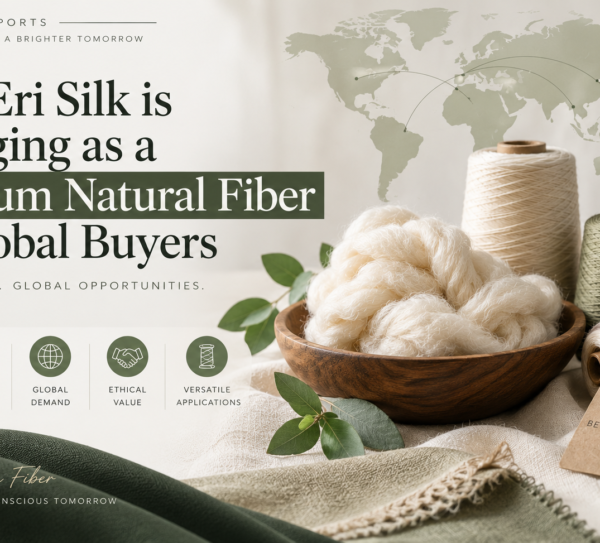


India has long been known as a global hub for silk production, combining centuries-old craftsmanship with modern textile innovation. Today, the country continues to strengthen its position in international markets by offering high-quality silk materials that meet evolving global standards. A Silk Products Exporter India plays a crucial role in connecting traditional silk production with the increasing demand for sustainable and ethical textile solutions.
Among the many silk varieties produced in the country, Eri silk stands out for its unique qualities and environmentally responsible production methods. As the global textile industry moves toward eco-conscious materials, Eri silk has gained remarkable attention from designers, manufacturers, and sustainable fashion brands around the world.
Understanding the Unique Nature of Eri Silk Yarn
One of the most valued materials in sustainable textiles today is eri silk yarn, known for its soft texture and natural durability. Unlike conventional silk varieties that are typically glossy, Eri silk has a slightly matte finish and a wool-like feel that provides warmth and comfort.
The fiber is mainly produced in the northeastern regions of India, especially Assam and Meghalaya, where traditional sericulture practices have been preserved for generations. These regions have developed strong expertise in producing high-quality eri silk fiber, making India one of the leading sources of this unique material in global markets.
Ethical Production and the Concept of Peace Silk
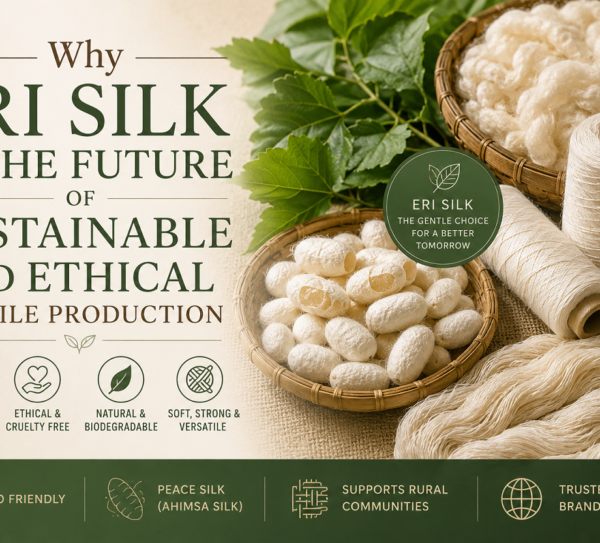
A major factor that distinguishes Eri silk from other silk varieties is its humane production process. Eri silk is often referred to as peace silk yarn because the silkworm is allowed to complete its natural life cycle before the cocoon is processed.
This method has also led to the term ahimsa silk yarn, which reflects the non-violent philosophy associated with its production. Unlike traditional silk extraction methods that may harm the silkworm, Eri silk supports a more ethical approach to textile manufacturing.
Because of these principles, many environmentally conscious brands now prefer Eri silk as part of their commitment to responsible sourcing and ethical fashion.
The Role of Eri Silk in Sustainable Textile Development
Eri silk has gained recognition as a highly valuable sustainable silk fiber due to its environmentally friendly characteristics. The silkworms responsible for producing Eri silk feed primarily on castor leaves, which are easy to cultivate and require fewer chemical inputs compared to other crops used in sericulture.
This sustainable farming process allows producers to generate high-quality eri silk spinning fiber while maintaining a low environmental footprint. As a result, Eri silk has become increasingly popular among brands seeking renewable and biodegradable textile materials.
Expanding Global Demand for Eco-Friendly Silk Materials
The global fashion industry is experiencing a shift toward sustainable and eco-friendly materials. Consumers today are more aware of how textiles are produced and are actively seeking products that minimize environmental impact.
This trend has led to rising demand for materials such as eco friendly silk yarn, which combines luxury with sustainability. Eri silk perfectly fits this requirement because it offers both natural beauty and responsible production methods.
International designers are now incorporating Eri silk into various collections, particularly those focused on sustainable fashion and environmentally conscious design.
Organic Silk and Responsible Supply Chains
Another important trend within the textile industry is the demand for organic fibers that are produced without harmful chemicals. This has increased the importance of suppliers who follow environmentally responsible production practices.
An organic eri silk yarn supplier India plays an essential role in meeting these expectations by ensuring that the entire silk production process follows sustainable agricultural and processing standards.
Organic silk not only protects the environment but also helps maintain the natural softness and durability that make Eri silk so desirable in global textile markets.
Applications of Eri Silk in Modern Textile Industries
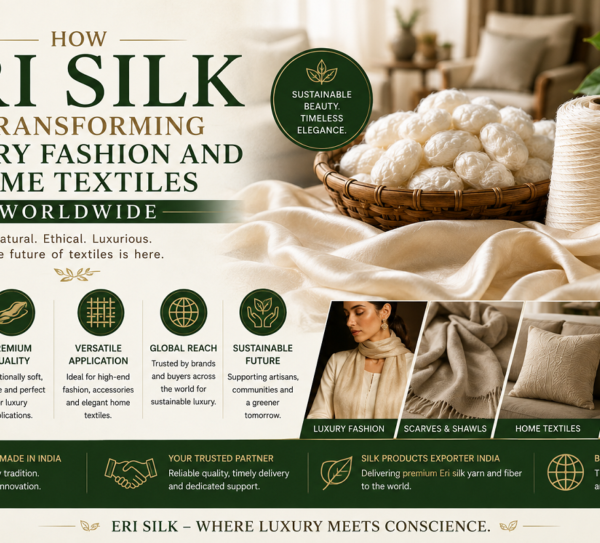
The versatility of Eri silk allows it to be used across a wide range of textile applications. Designers and manufacturers appreciate the fiber for its unique texture and comfort.
Some common uses of Eri silk include:
- Fashion garments and apparel
- Handwoven scarves and shawls
- Upholstery and home décor fabrics
- Sustainable textile collections
- Knitwear and winter clothing
In addition to yarn and fabric production, India also supplies natural eri silk tops, which are widely used by textile manufacturers for spinning and fabric development.
India’s Growing Presence in the Global Silk Market
India continues to strengthen its position in international textile markets through its diverse range of silk products and materials. With increasing demand for sustainable fabrics, the country has become a key source for environmentally responsible silk fibers.
As an eri silk fiber exporter, India provides high-quality materials that support both luxury fashion and sustainable textile manufacturing. The combination of skilled artisans, traditional knowledge, and modern export infrastructure ensures that Indian silk products remain competitive worldwide.
A Silk Products Exporter India plays an important role in connecting these materials with global buyers, enabling international markets to access premium silk fibers and yarns.
Conclusion
The growing interest in sustainable textiles has brought Eri silk into the spotlight as one of the most responsible and versatile silk fibers available today. With its ethical production method, natural durability, and eco-friendly properties, Eri silk represents the future of sustainable luxury textiles.
As global demand for vegan silk fiber and environmentally responsible fabrics continues to rise, India’s silk industry is well positioned to meet these expectations through innovation, quality production, and strong export networks.
Through dedication to quality and sustainable practices, Nisha Silk Exports continues to contribute to the global recognition of India’s exceptional silk heritage while supporting the growth of eco-conscious textile markets.