

India’s Timeless Bond with Silk
Silk has always been a symbol of elegance, purity, and sophistication. In India, it is more than just a fabric — it is a part of the country’s culture, tradition, and identity. From temple rituals to royal garments, silk has graced Indian life for thousands of years. Today, this rich legacy continues, not just within the country but across global markets.
India stands proudly as one of the world’s largest producers and exporters of silk. From fine yarns that power high-end fashion to exquisite finished silk products adorning homes and wardrobes worldwide, the contribution of Silk Yarn Exporter India and Silk Products Exporter India has placed the nation at the forefront of the global textile industry.
India’s Silk Heritage: A Legacy Woven in Gold
India’s silk tradition dates back to ancient times, with historical evidence showing silk trade between India, China, and Europe through the Silk Route. What makes India unique is its ability to produce all four major types of natural silk — Mulberry, Tussar, Eri, and Muga — each reflecting a different cultural and geographical identity.
- Mulberry Silk: Predominantly produced in Karnataka, Tamil Nadu, and West Bengal, known for its fine texture and sheen.
- Tussar Silk: Often called “wild silk,” appreciated for its golden hue and strength, mainly produced in Jharkhand and Bihar.
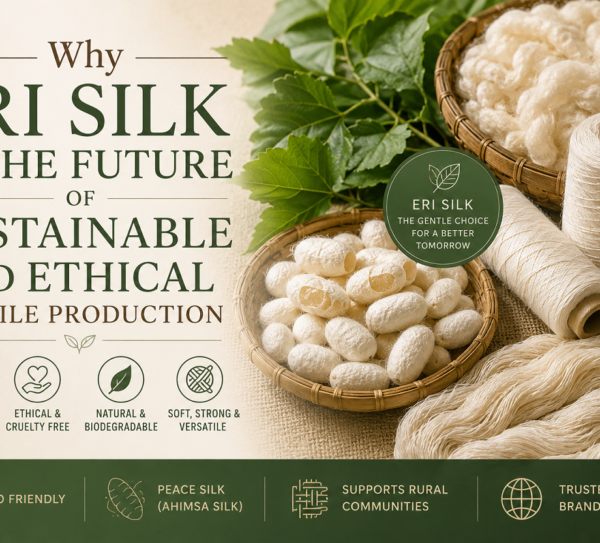
- Eri Silk: Also known as “Ahimsa” or “Peace Silk,” reared without harming the silkworm, primarily found in Assam and Meghalaya.
- Muga Silk: A pride of Assam, famous for its natural golden luster and durability.
This diversity enables Silk Yarn Exporter India to serve a wide spectrum of industries, from haute couture and luxury home décor to upholstery and handcrafted textiles. The ability to offer variety, quality, and authenticity has cemented India’s reputation as a leading global supplier.
Silk Yarn: The Foundation of India’s Global Reputation
Behind every exquisite silk fabric lies the strength and beauty of silk yarn. The process of creating silk yarn is meticulous — beginning with silkworm cultivation, followed by reeling, twisting, and dyeing to achieve perfection.
Modern exporters in India have refined these traditional techniques with advanced reeling machines and eco-friendly dyeing systems. This combination of artistry and technology ensures that Indian silk yarns meet global standards for strength, sheen, and uniformity.
As a result, Silk Yarn Exporter India is recognized worldwide for its consistency, quality control, and ethical sourcing. Whether supplying to European fashion houses or Asian weaving mills, these exporters uphold India’s legacy of excellence through every thread they produce.
The Craftsmanship Behind Silk Products
While silk yarn forms the foundation, it is India’s master artisans and designers who transform it into stunning silk products. From handwoven sarees and stoles to drapes, scarves, cushions, and bed linens, the diversity of Indian silk products is unmatched.
Each region brings its own artistic touch:
- Varanasi is famous for luxurious Banarasi silk with intricate zari work.
- Kanchipuram in Tamil Nadu is known for its vibrant, temple-inspired patterns.
- Assam produces serene Muga and Eri silk textiles, beloved for their natural texture.
- Mysore stands out for its elegant and glossy silk sarees.
Exporters collaborate with these regional artisans to bring their creations to international markets. Through a blend of traditional weaving and contemporary design, Silk Products Exporter India has made Indian silk a global statement of beauty and craftsmanship.
Sustainability and Ethical Practices: The New Silk Revolution
The global textile market has shifted toward sustainability, and Indian exporters have been quick to adapt. Many silk exporters today operate with a strong focus on eco-conscious production and ethical trade.
- Sustainable Sericulture: Farmers are trained to use organic feed and eco-friendly rearing methods.
- Natural Dyeing Techniques: Herbal and plant-based dyes are replacing chemical colorants.
- Zero-Waste Manufacturing: Exporters are optimizing silk waste to create blended fabrics and accessories.
- Fair Trade and Women Empowerment: Many cooperatives in India are led by women artisans, ensuring inclusive growth.
This commitment to sustainability has made both Silk Yarn Exporter India and Silk Products Exporter India preferred partners for international brands that prioritize responsible sourcing.
India’s Competitive Edge in Global Silk Exports
India’s leadership in silk exports isn’t just a result of tradition — it’s backed by infrastructure, innovation, and trust. Some key factors that strengthen India’s global position include:
1. Diverse Product Range: From raw yarns to finished luxury goods, India offers a complete silk supply chain.
2. Skilled Workforce: Millions of artisans, spinners, and weavers contribute to an unmatched pool of expertise.
3. Government Support: Schemes like the Silk Samagra Program and Make in India initiatives boost sericulture and export promotion.
4. Modern Technology: Integration of advanced reeling, weaving, and digital printing techniques enhances production capacity.
5. Quality Certifications: Exporters comply with ISO, OEKO-TEX, and GOTS certifications, ensuring international quality standards.
Thanks to these factors, Indian silk enjoys steady demand across Europe, North America, the Middle East, and East Asia, where luxury buyers appreciate its authenticity and craftsmanship.
Export Destinations and Market Growth
Indian silk is exported to over 150 countries, with major markets including the United States, the United Kingdom, Italy, France, Japan, and the UAE. These regions have a growing appetite for sustainable luxury textiles and handcrafted fabrics.
While Silk Yarn Exporter India caters to textile manufacturers and designers, Silk Products Exporter India supplies directly to retailers, interior decorators, and high-end fashion labels.
The global silk market is expected to grow at a steady pace, driven by increasing demand for natural fibers. With India’s focus on innovation, digital presence, and craftsmanship, its exporters are perfectly positioned to lead this growth.
Challenges and the Road Ahead
Even with such promise, the silk industry faces challenges — including competition from synthetic fabrics, rising raw material costs, and climate fluctuations affecting silkworm cultivation. However, Indian exporters are meeting these challenges head-on through:
- Technological Upgradation: Modernizing spinning and weaving facilities.
- Blended Innovations: Creating silk blends that combine natural softness with durability.
- Digital Marketing: Expanding visibility through e-commerce and online trade platforms.
- Skill Development Programs: Empowering rural artisans through training and capacity-building initiatives.
These efforts ensure that India remains not only a heritage-rich producer but also a forward-looking silk exporter ready for the future.
Conclusion: India’s Silk — A Global Symbol of Trust and Elegance
India’s silk industry represents the perfect balance of tradition, innovation, and craftsmanship. Every strand of silk yarn and every finished product carries the story of a culture that values art, patience, and precision.
With their dedication to quality and sustainable practices, Silk Yarn Exporter India and Silk Products Exporter India have transformed India into a global symbol of trust and luxury. As the world continues to embrace eco-friendly and handcrafted textiles, India’s silk exporters stand as proud ambassadors of elegance and excellence.
At the core of this success is Nisha Silk Exports, a name synonymous with authenticity, creativity, and reliability — weaving India’s timeless silk heritage into the fabric of global luxury.